
Understanding Sleep Apnea
Sleep apnea occurs when the muscles in the back of your throat relax too much to allow normal breathing. This can cause a blockage in your airway, leading to pauses in breathing that can last from a few seconds to minutes. These interruptions can occur multiple times throughout the night, disrupting your sleep and reducing the oxygen supply to your brain and body. The two main types of sleep apnea are:
- Obstructive Sleep Apnea (OSA): The more common form, caused by a physical blockage of the airway, usually due to the collapse of soft tissue in the back of the throat.
- Central Sleep Apnea (CSA): Occurs when the brain fails to send proper signals to the muscles that control breathing.
Recognizing the Symptoms
Common symptoms of sleep apnea include:
- Loud snoring
- Episodes of stopped breathing during sleep (often witnessed by another person)
- Gasping or choking during sleep
- Morning headaches
- Excessive daytime sleepiness
- Difficulty concentrating
- Irritability and mood changes
- Dry mouth or sore throat upon waking
If you suspect you have sleep apnea, it’s crucial to seek medical advice for a proper diagnosis and treatment plan.
Lifestyle Changes to Manage Sleep Apnea
Certain lifestyle changes can significantly improve sleep apnea symptoms. Here are some strategies to consider:
- Maintain a Healthy Weight: Excess weight, especially around the neck, can contribute to airway obstruction. Losing weight can reduce the severity of sleep apnea symptoms or even eliminate them in some cases.
- Exercise Regularly: Regular physical activity can help maintain a healthy weight and improve overall respiratory function. Aim for at least 30 minutes of moderate exercise most days of the week.
- Sleep on Your Side: Sleeping on your back can cause your tongue and soft tissues to collapse to the back of your throat, worsening sleep apnea. Try sleeping on your side to keep your airway open.
- Avoid Alcohol and Sedatives: Alcohol and sedatives relax the muscles in your throat, increasing the risk of airway obstruction. Avoid these substances, especially in the evening.
- Quit Smoking: Smoking can increase inflammation and fluid retention in your airway, worsening sleep apnea. Quitting smoking can improve your symptoms and overall health.
Medical Treatments for Sleep Apnea
Several medical treatments are available to manage sleep apnea. Depending on the severity of your condition, your doctor may recommend one or more of the following:
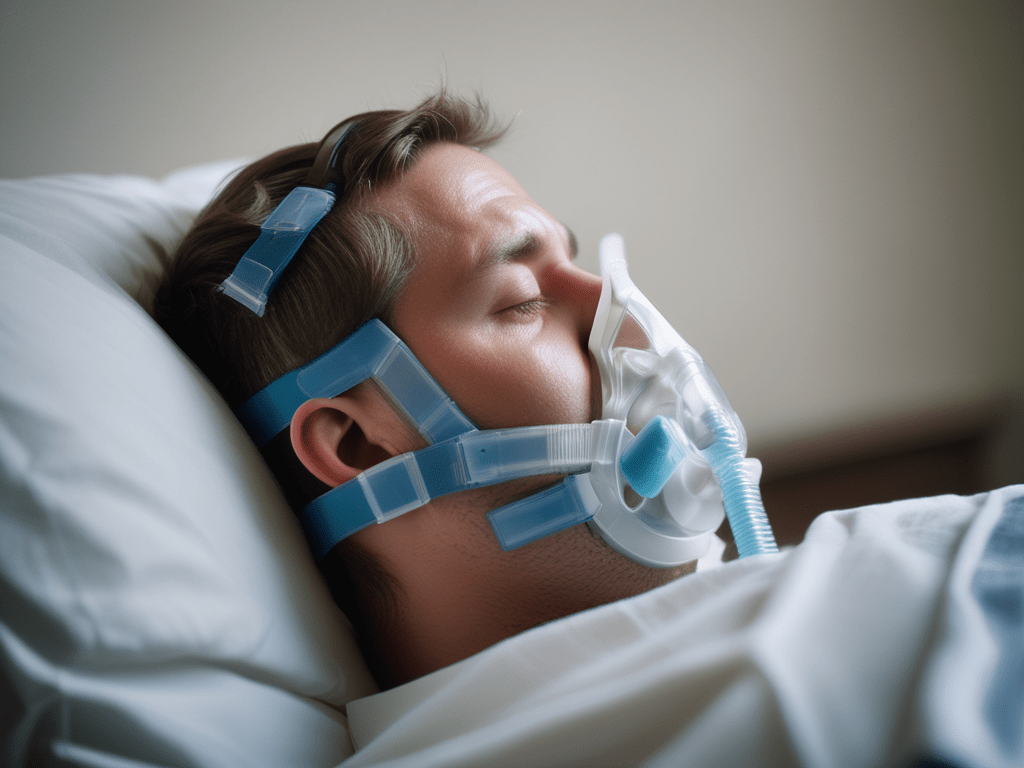
- Continuous Positive Airway Pressure (CPAP): The most common and effective treatment for OSA, CPAP involves wearing a mask over your nose and/or mouth while you sleep. The mask is connected to a machine that delivers a continuous stream of air to keep your airway open.
- Bi-level Positive Airway Pressure (BiPAP): Similar to CPAP, BiPAP delivers two levels of air pressure: a higher pressure when you inhale and a lower pressure when you exhale. This can be helpful for people who have difficulty tolerating CPAP.
- Oral Appliances: Custom-made devices that you wear in your mouth while you sleep, which help keep your airway open by repositioning your jaw or tongue.
- Surgery: In severe cases, surgery may be necessary to remove or reduce the tissue causing the airway obstruction. Surgical options include uvulopalatopharyngoplasty (UPPP), genioglossus advancement, and maxillomandibular advancement.
Additional Tips for Better Sleep
In addition to the treatments mentioned above, adopting good sleep hygiene can help improve your sleep quality. Here are some tips:
- Establish a Regular Sleep Schedule: Go to bed and wake up at the same time every day, even on weekends, to regulate your sleep-wake cycle.
- Create a Relaxing Bedtime Routine: Engage in calming activities before bed, such as reading, taking a warm bath, or practicing relaxation exercises.
- Make Your Sleep Environment Comfortable: Ensure your bedroom is cool, dark, and quiet. Invest in a comfortable mattress and pillows.
- Limit Caffeine and Heavy Meals: Avoid consuming caffeine and heavy meals close to bedtime, as they can interfere with your ability to fall asleep and stay asleep.
Conclusion
Managing sleep apnea is essential for improving your sleep quality and overall health. By making lifestyle changes, seeking appropriate medical treatment, and practicing good sleep hygiene, you can effectively manage sleep apnea and enjoy a better quality of life. If you suspect you have sleep apnea, consult with a healthcare professional to develop a personalized treatment plan. With the right approach, you can reduce the impact of sleep apnea and achieve restful, restorative sleep.
 We All Write
Leave a comment