
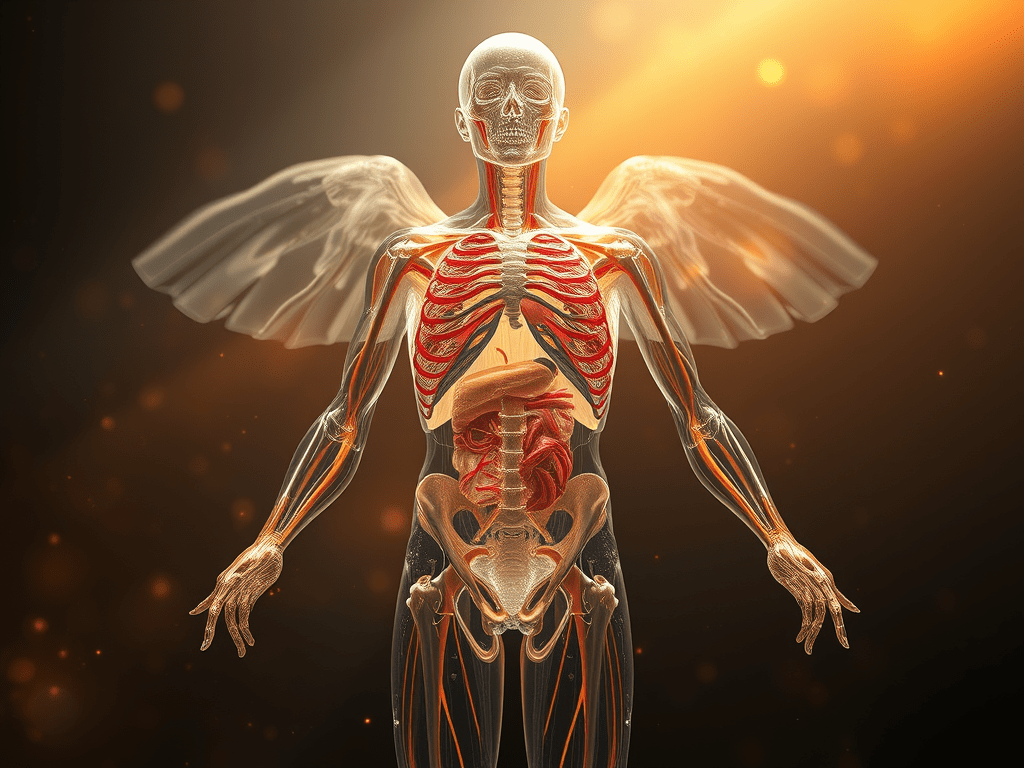
The human body is an intricate machine filled with quirks and mysteries. From why certain sensations feel so peculiar to the surprising science behind everyday occurrences, there’s no shortage of fascinating facts about how our bodies work. In this blog, we’ll delve into some of the most unusual questions you might have wondered about—perfect conversation starters for your next gathering or simply fun facts to ponder.
Why Are Men More Likely to Snore Than Women?
Men’s airways tend to be wider and less prone to collapse, making them more conducive to snoring. Hormonal differences and lifestyle choices, such as smoking or excessive drinking, also play a role. Women, particularly during pregnancy, may experience snoring due to increased blood flow and swelling in nasal passages. For those dealing with snoring, nasal strips can help by improving airflow.
Why Do We Lose Our Sense of Taste When Our Noses Are Stuffed?
Taste and smell are deeply connected. While our taste buds detect sweet, salty, sour, and bitter flavors, our sense of smell adds the intricate details. When nasal passages are blocked, these odors can’t reach the olfactory sensors, making food seem bland.
Why Do Men Fall Asleep After Sex?
It’s not just laziness—it’s chemistry. After orgasm, the body releases oxytocin, prolactin, and gamma-aminobutyric acid, all of which promote relaxation and sleep. Interestingly, women experience similar hormone releases but may not feel as sleepy.
Do the Black Stripes Athletes Wear Under Their Eyes Really Help?
Yes, they do! These eye-black stripes absorb sunlight that could otherwise reflect off the cheeks, reducing glare and improving visibility. Athletes swear by this small yet effective visual aid.
Why Do Doctors Ask Men to “Turn Your Head and Cough” During Hernia Checks?
This odd request is crucial for detecting inguinal hernias, which occur when part of the intestine pushes through the abdominal wall. Coughing increases abdominal pressure, making the hernia more noticeable.
Do Bees Die After They Sting?
Only honeybees meet their demise post-sting, as their barbed stingers get stuck in human skin. Bumblebees, however, can sting repeatedly without harm to themselves.
Why Do We Get Goosebumps?
Goosebumps are a leftover evolutionary response. When cold or frightened, tiny muscles at the base of hair follicles contract, making hairs stand on end. For our furry ancestors, this created insulation or made them look more intimidating.
Why Does Inhaling Helium Make Our Voices High-Pitched?
Helium is lighter than air, causing sound waves to travel faster through it. This change in frequency makes our voices sound like cartoon characters, temporarily altering the pitch.
Why Does Breathing Into a Paper Bag Help When We Hyperventilate?
When we hyperventilate, we exhale too much carbon dioxide. Breathing into a paper bag helps reintroduce CO₂ into our bloodstream, calming our breathing. However, it’s essential to consult a doctor if hyperventilation persists, as it can signal a more serious condition.
Why Do 90°F Days Feel Hot If Our Body Temperature Is 98.6°F?
Our bodies regulate temperature through thermoregulation. As the external temperature approaches our internal baseline, the effort required to cool ourselves (through sweating, for example) increases, making us feel uncomfortable.
Embracing the Marvels of Our Bodies
From evolutionary remnants like goosebumps to the interplay of chemistry and physiology that affects sleep and taste, our bodies are full of surprises. These quirky mechanisms remind us of how finely tuned and yet utterly strange the human body can be. Understanding these oddities not only satisfies our curiosity but also deepens our appreciation for the science that explains them.
Got an unusual health question of your own? Share it in the comments—we’d love to explore more of these everyday mysteries together!
 We All Write
Leave a comment