
Staph infections, caused by Staphylococcus aureus, are a growing concern due to the rise of antibiotic-resistant strains like MRSA (methicillin-resistant Staphylococcus aureus). These infections can range from minor skin irritations to severe, life-threatening conditions if left untreated. Understanding how to prevent and manage staph infections is crucial for protecting your health and avoiding serious complications
What Makes Staph Dangerous?
Staph bacteria are commonly found on the skin and in the environment. They usually remain harmless unless there is a break in the skin, which allows bacteria to enter and potentially cause infection. Everyday injuries, such as small cuts, scrapes, or even bug bites, can become gateways for staph bacteria.
The emergence of MRSA has made staph infections particularly alarming. MRSA is resistant to many common antibiotics, such as penicillin and amoxicillin, making treatment more challenging and potentially dangerous.
Who Is at Risk?
Certain environments increase the risk of staph infections, especially MRSA. These include:
- Crowded spaces where people rub shoulders, such as gyms, locker rooms, and daycare centers.
- Areas where there is frequent use of shared facilities, like Jacuzzis or communal equipment.
- Close-contact activities like sports, where minor cuts or abrasions are common.
Young children, athletes, and individuals in close quarters are particularly vulnerable due to frequent skin contact and shared surfaces.
How to Protect Yourself
1. Clean Wounds Thoroughly
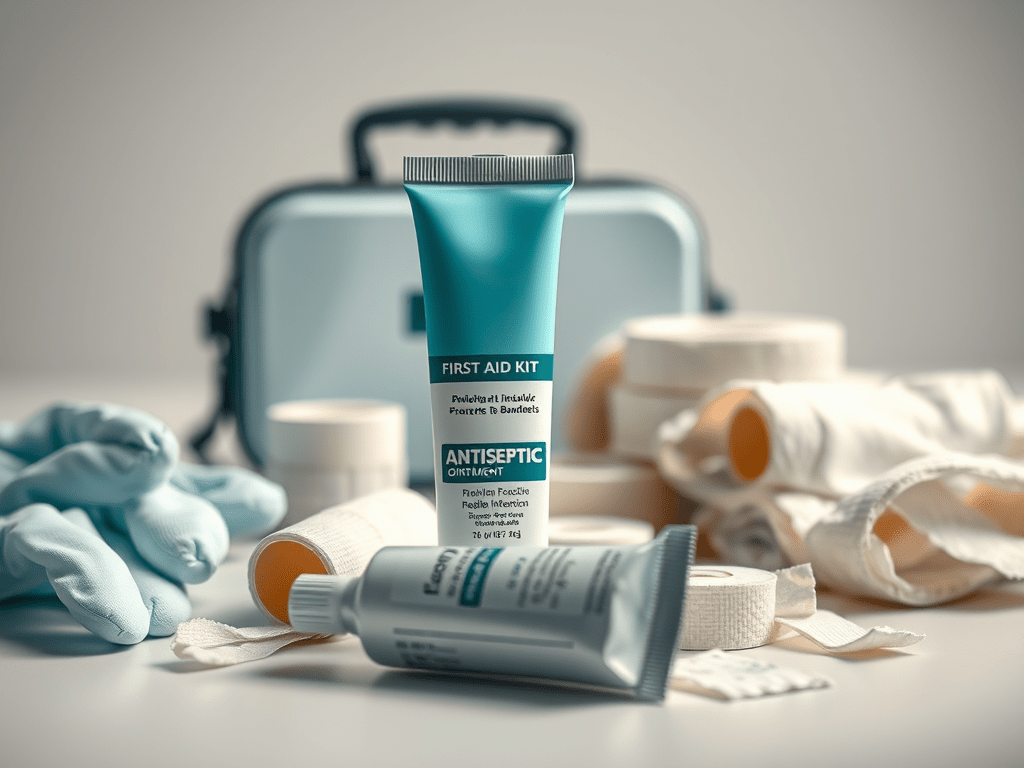
The first step in staph prevention is proper wound care. Even minor cuts should be washed with soap and water, then treated with an over-the-counter antibacterial cream or ointment like Neosporin. Cover the wound with a clean bandage and monitor it as it heals.
2. Watch for Warning Signs
It’s essential to be vigilant for changes that could indicate an infection. Seek medical attention if you notice:
- Pain or tenderness at the wound site.
- Redness spreading around the wound, especially if accompanied by red streaks.
- Drainage of pus.
- Fever, even a slight one.
3. Seek Immediate Care for Serious Symptoms
If symptoms escalate—such as a high fever (over 102°F), chills, severe muscle aches, or mental confusion—get to an emergency room immediately. These could signal that the infection has entered the bloodstream, a condition that can worsen rapidly.
4. Use Antibiotics Judiciously
For more severe infections, physicians may prescribe specific antibiotics effective against MRSA, such as trimethoprim-sulfamethoxazole (Bactrim), clindamycin, or linezolid. Always complete the full course of antibiotics as prescribed.
Staying Vigilant
MRSA infections can develop weeks after an initial injury. Even when a wound appears healed, there is still a risk of latent infection. Continue monitoring the site and be aware of any lingering tenderness or unusual symptoms.
Final Thoughts
Prevention is the best defense against staph infections. Cleanliness, proper wound care, and early recognition of symptoms can help protect you and your loved ones from these potentially dangerous infections. By staying proactive and informed, you can significantly reduce the risk of staph and MRSA complications.
 We All Write
Leave a comment