
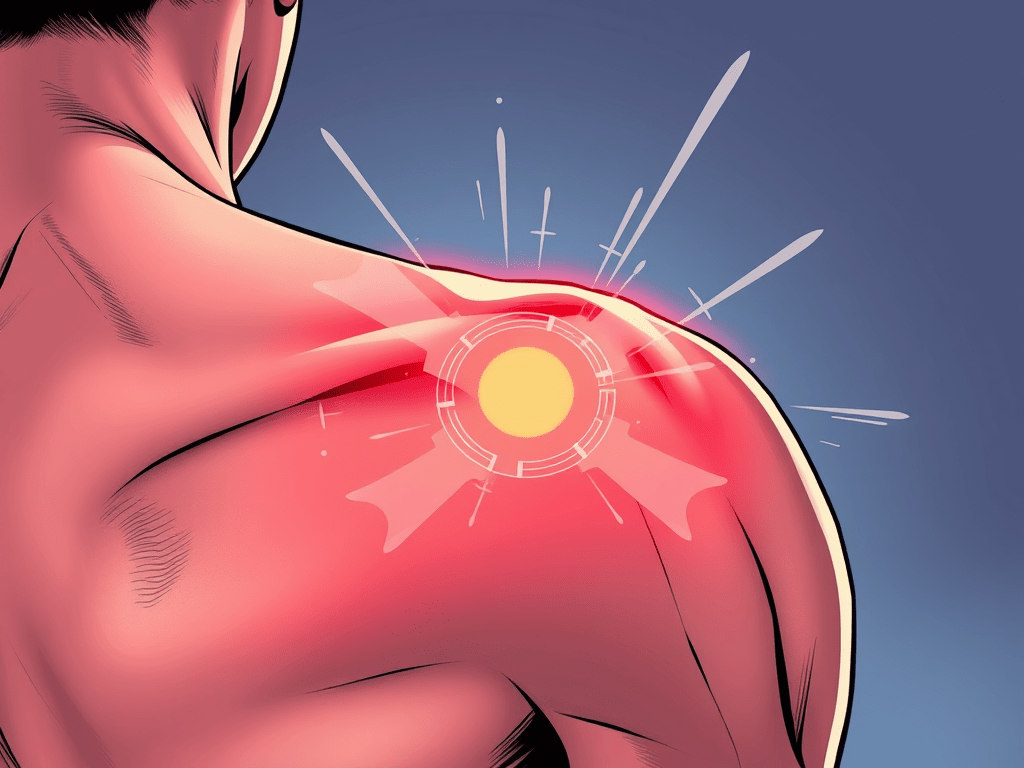
The shoulder is a marvel of human anatomy, offering unparalleled mobility and flexibility. It allows us to perform a wide range of movements, from reaching above our heads to throwing a ball. However, this versatility comes with a cost: the shoulder is particularly vulnerable to injuries. In fact, shoulder injuries account for 35% to 40% of all orthopedic injuries, making it crucial to understand how to protect this vital joint.
Common Causes of Shoulder Injuries
Shoulder injuries can arise from both athletic activities and everyday tasks. Even simple actions, such as carrying heavy boxes or performing household chores, can strain the shoulder joint. Here are some of the most common causes:
- Rotator Cuff Tears: These involve damage to the muscles and tendons that stabilize the shoulder.
- Dislocations: These occur when the upper arm bone slips out of the shoulder socket.
- Impingement Syndrome: This happens when tendons get trapped under the bony structures of the shoulder, leading to pain and restricted movement.
Everyday Traps and How to Avoid Them
Trap 1: Intermittent Exercise
Jumping into a new activity after a long period of inactivity can shock the muscles and lead to injury. Muscles have “memory” but require regular use to maintain strength and flexibility.
Recommendation: Ease into exercise by warming up with gentle movements. Gradually increase intensity to give your muscles time to adjust.
Trap 2: Lifting Weights Overhead
Overhead lifting is one of the most common yet risky exercises for the shoulder, as it places immense stress on the joint.
Recommendation: Opt for incline lifts or seated exercises that reduce strain on the shoulder.
Trap 3: Hands Out of Sight
When hands are out of your line of vision during exercises like pull-downs, the risk of shoulder subluxation (partial dislocation) increases.
Recommendation: Keep your hands in your line of sight or peripheral vision to maintain control and stability.
Trap 4: Too-Wide Grip
Using a grip that’s too wide on equipment like barbells can strain the shoulder, especially the rotator cuff.
Recommendation: Ensure your grip matches shoulder width to avoid unnecessary stress.
Trap 5: Overtraining
Repeatedly working the same muscles without adequate rest can lead to overuse injuries.
Recommendation: Rotate your workout routine to include a mix of strength training, cardio, and rest days.
Red Flags: When to Seek Medical Attention
If you experience any of the following symptoms, it may indicate a serious shoulder issue requiring medical evaluation:
- Pain when performing daily activities like putting on a coat or reaching for something.
- Inability to lift your arm above shoulder height.
- Inability to sleep on one side due to pain.
The Importance of Prevention
Preventing shoulder injuries involves a combination of proper technique, regular exercise, and listening to your body. Stretching and warming up before activities are particularly important for individuals over 40, as aging can reduce muscle elasticity.
By following these tips and recommendations, you can keep your shoulders healthy and avoid the pain and inconvenience of injury. Whether you’re an athlete or simply performing everyday tasks, proactive care can make all the difference.
Your shoulders are key to so many movements and activities. Treat them with the respect and care they deserve!
 We All Write
Leave a comment